
LED
LED lighting technology has transformed the way we illuminate homes, businesses, and industrial spaces. Compared to traditional incandescent and halogen bulbs, LEDs use 75-90% less energy, last 15-25 times longer, and generate significantly less heat. What started as indicator lights in electronics has evolved into a comprehensive lighting solution that works in virtually any application.
The variety can seem overwhelming at first – from standard A-shape bulbs that screw into any household socket, to specialized MR16 spots for track lighting, to industrial high bay fixtures that can light up entire warehouses. The good news is that there's almost certainly an LED replacement for whatever bulb type you currently have. Most retrofits are straightforward: find the bulb shape, base type, and wattage equivalent you need, and you're set.
Color temperature is worth understanding before you order. The 2700K warm white bulbs mimic traditional incandescent lighting – that familiar yellowish glow that feels cozy and inviting. Move up to 3000K and you get a crisper white that's still warm, popular in retail and hospitality settings. At 4000K-5000K, you're in cool white territory – bright, energizing light that works well for offices, garages, and task lighting. Some people love it, others find it too clinical for home use. The choice depends on your space and preference.
Dimming compatibility has improved dramatically over the past few years, though it's still not quite as universal as with incandescent bulbs. If you need dimmable LEDs, check compatibility with your existing dimmer switch. Many older dimmers were designed for incandescent loads and can cause flickering or buzzing with LEDs. In some cases, you might need to upgrade the dimmer itself.
One practical note on LED fixtures versus LED bulbs: integrated LED fixtures (where the LED is permanently built in) are becoming more common, especially in new construction and commercial settings. They're efficient and can be very slim profile, but when the LED eventually fails, you typically replace the entire fixture rather than just a bulb. Traditional socket-based LEDs give you more flexibility – when the bulb dies, you just screw in a new one.
Common Applications: Residential lighting, commercial spaces, retail displays, warehouse and industrial facilities, outdoor and landscape lighting, street lighting, automotive lighting
Key Benefits: 75-90% energy savings, 15-25 year lifespan, instant-on (no warm-up), dimmable options available, wide range of color temperatures, cool operation, environmentally friendly (no mercury)
Sub Category
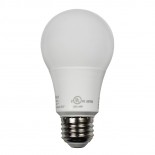
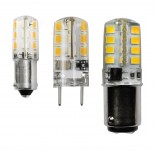
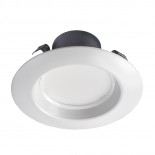
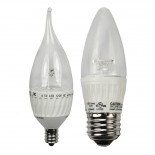
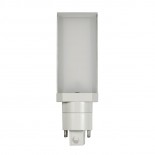
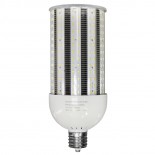
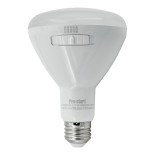
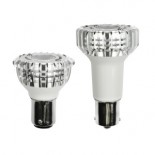
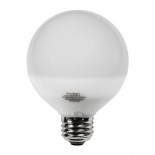
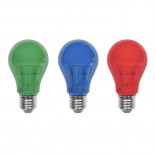
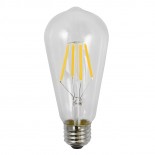
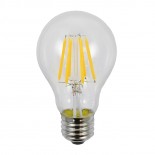
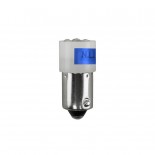
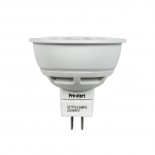
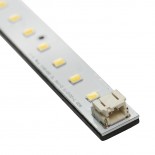
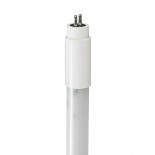
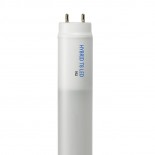
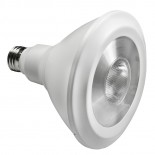
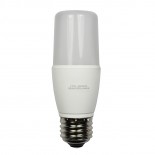
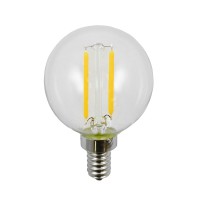
LED-FG16E12-2W24 E12-Base 2400K
Voltage: 120V, Wattage: 2W, Type: LED G16.5 Filament Bulb, Color Temp (Kelvin): 2400K, Lumens: 200..
Contact for Price
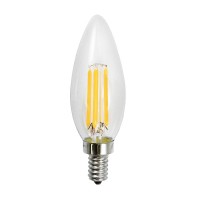
LED-FB10CTC4W24 Warm-White 2400K Chandelier LED
Voltage: 120V, Wattage: 4W, Type: LED B10 Filament Bulb, Color Temp (Kelvin): 2400K, Lumens: 380..
$3.95
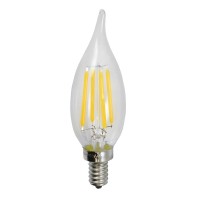
LED-FB10CFC4W24 Flame-Tip 2400K
Voltage: 120V, Wattage: 4W, Type: LED B10 Filament Bulb, Color Temp (Kelvin): 2400K, Lumens: 380..
$5.99
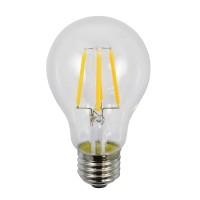
LED-FA19D-4W-24 Warm-White 2400K
The Norman Lamps LED-FA19D-4W-24 Warm‑White 2400K bulb delivers a soft, amber‑toned glow that’s..
$4.99
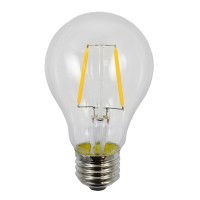
LED-FA19D-2W-24 Warm-White 2400K
Voltage: 120V, Wattage: 2W, Type: LED A19 Filament Bulb, Color Temp (Kelvin): 2400K, Lumens: 200..
$4.99
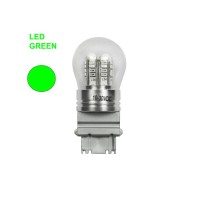
LED-3156-GREEN
Voltage: 10-30V, Wattage: 2W, Type: LED S8 Bulb, Lumens: 200, Replaces: 3156 Incandescent Bulb..
$6.85 $8.99
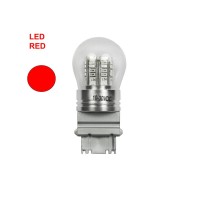
LED-3156-RED
Voltage: 10-30V, Wattage: 2W, Type: LED S8 Bulb, Lumens: 200, Replaces: 3156 Incandescent Bulb..
$6.85 $8.99
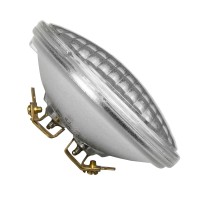
LED-PAR36/12V/3K Narrow Flood 3,000k CCT 10V-30V Input Range 5W
The LED-PAR36/NFL/3K is a high-performance LED PAR36 lamp from Norman Lamps, operating on a wide..
$24.95
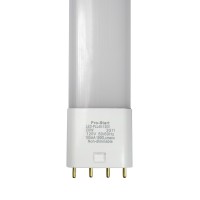
LED-PLL405K-120V Pure-White 5000K
Voltage: 120V, Wattage: 20W, Type: LED PLL, Color Temp (Kelvin): 5000K, Lumens: 1600, Replaces: 40W..
$16.95
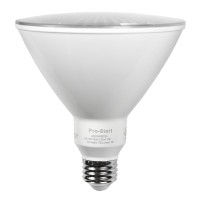
LED-PAR38DIM-27 Warm-White 2700K
Voltage: 120V, Wattage: 15W, Type: LED PAR38, Color Temp (Kelvin): 2700K, Lumens: 1000, Replaces..
$8.50
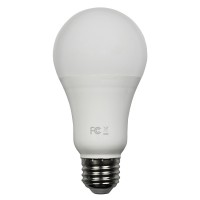
LED-A21OMNI-5K Pure-White 5000K
Voltage: 120V, Wattage: 12.5W, Type: LED A21, Color Temp (Kelvin): 5000K, Lumens: 1,150, Replaces..
$12.95
LED-A21OMNI-27K Warm-White 2700K
Voltage: 120V, Wattage: 12.5W, Type: LED A21, Color Temp (Kelvin): 2700K, Lumens: 1,150, Replaces..
$12.95
LED-A21OM16W-5K Pure-White 5000K - 1,600 Lumens
Voltage: 120V, Wattage: 16W, Type: LED A21, Color Temp (Kelvin): 5000K, Lumens: 1,600, Replaces..
$6.45
LED-A21OM16W-3K Warm-White 3000K 1,600 Lumens
Voltage: 120V, Wattage: 16W, Type: LED A21, Color Temp (Kelvin): 3000K, Lumens: 1,600, Replaces..
$6.45
LED-A21OM-UV-5K Pure-White 120-277V See alternate Item LED-A21UV15W-5K
Voltage: 120-277V, Wattage: 16W, Type: LED A21, Color Temp (Kelvin): 5000K, Lumens: 1,600..
Item Discontinued
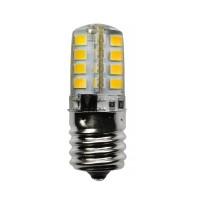
LED-SB4KE17-120V Cool-White 4000K
Voltage: 120V, Wattage: 3W, Type: LED Tubular Bulb, Color Temp (Kelvin): 4000K, Lumens: 220..
$8.75
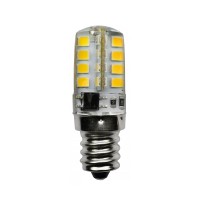
LED-SB4KE12-120V Cool-White 4000K
Voltage: 120V, Wattage: 3W, Type: LED Tubular Bulb, Color Temp (Kelvin): 4000K, Lumens: 220..
$8.75
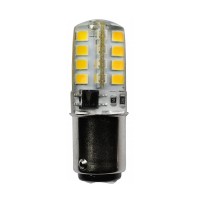
LED-SB4KDC-120V Cool-White 4000K
Voltage: 120V, Wattage: 3W, Type LED: Tubular Bulb, Color Temp (Kelvin): 4000K, Lumens: 220..
$8.75